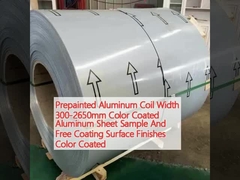
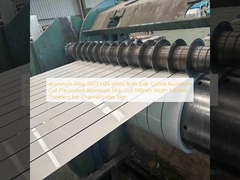
Brief: Get a guided demo that shows common workflows and troubleshooting tips for 3003 PVDF color-coated aluminum roof panels. This video demonstrates how these lightweight, durable panels are formed into standing seam and corrugated roofing systems, showcasing their 40-year color retention and fast installation process for international construction projects.
Related Product Features:
Features 3003-H24 aluminum alloy with 20% higher strength than 1100 series and excellent formability.
Includes 3-layer PVDF coating with 5000-hour salt spray resistance and 40-year color warranty.
Available in 0.7-1.2 mm thickness and 1000-1250 mm width for standard roofing applications.
Weighs 70% less than steel roofing materials, reducing structural load by approximately 2.5 kg/m².
Enables 60% faster installation with pre-coated panels that eliminate on-site painting.
Offers zero maintenance with self-cleaning properties and resistance to chalking.
Provides 96% lower CO₂ emissions compared to traditional steel roofing systems.
Compatible with high-speed roll-forming equipment for efficient panel production.
FAQs:
What is the expected lifespan of these PVDF-coated aluminum roof panels?
These panels come with a 40-year color and gloss warranty, maintaining vibrant appearance even in coastal and polluted environments due to the high-durability PVDF Kynar 500® coating.
How do these aluminum panels compare to steel roofing in terms of weight and installation?
The aluminum panels are 70% lighter than steel, saving approximately 2.5 kg/m², and install 60% faster since they come pre-coated, eliminating the need for on-site painting.
What makes the 3003 aluminum alloy suitable for roofing applications?
The 3003-H24 aluminum alloy offers 20% higher strength than 1100 series while maintaining excellent formability and corrosion resistance, making it ideal for standing seam, corrugated, and clip-lock roofing panels.
Can these panels withstand harsh environmental conditions?
Yes, the PVDF coating provides 5000-hour salt spray resistance, making them suitable for coastal areas and polluted environments, as demonstrated in projects like Sydney Opera House and Dubai Expo pavilions.